It’s time to shelve your worries about claims and hit “add to cart” on product liability insurance! (Too much? We’ll dial it back). There’s an easy way to safeguard your business and it starts with protecting the products you sell. But what exactly does product liability insurance do for retailers? That’s what we’re here to talk to you about today.

“Product What Insurance?!”

Before we dive into the nitty gritty insurance details, there’s usually one question most people have: Why are there so many different types of product liability insurance?

In short, we can blame SEO for the laundry list of names. There’s also the fact that “product liability insurance” is a mouthful, so some people call it product insurance or liability insurance. All of this, combined with insurance companies still using technical terms, has created a lot of nicknames for this coverage.

You might see these names, but know they all generally refer the same type of insurance:

Retail product insurance Product liability insurance for retailers Retailer product liability Insurance for retail products

Things might start to differ when you see the phrase “retail insurance,” since that type of coverage tends to go beyond what we are talking about today. …

RangeMe Submission Leads to Birdy Boutique’s Products Flying Off the Shelves at Meijer

When a new product quickly goes through several POs at a major retailer, you know it’s a hit. And sometimes the most successful product innovations are often simple concepts that just haven’t been thought of before, like the Learning Blankets made by women- and veteran-owned brand Birdy Boutique!

The products are super-comfy children’s blankets that help kids learn about a variety of topics, from geography to new languages, animals and nature. They can also be customized for retailers. Meijer, for example, ordered blankets with a design from a local artist to celebrate Black History month — the brand’s fourth PO with the retailer, which began as a submission via RangeMe.

In addition, Birdy Boutique secured a partnership with Walgreens through ECRM’s Diverse and Minority Owned General Merchandise Session.

In the video below, I speak with Co-Founder Joanna Jozwik Serra and Business Development Manager Anna Rusinowski about the origin of the company and its products, and how they have leveraged ECRM and RangeMe to get on the shelf at major retailers.

Lots of great advice for brands looking to succeed at retail!

Editor’s note: Brands with general merchandise products can meet with retail buyers face-to-face at ECRM General Merchandise Sessions.

The …

Looking to enter the online fitness industry? You’re eyeing a market that’s experiencing explosive growth. It’s a space where both innovative startups and seasoned brands are thriving, driven by a surging demand for fitness gear, apparel, supplements, and health foods.

However, this boom has led to a crowded field. The fitness ecommerce landscape is packed with competitors, all vying for consumer attention. In such a vibrant yet competitive market, making your presence felt is crucial. 

And what better way to make an impact than with an intuitive and professional website? A well-crafted website acts as a magnet for customers, drawing them in with its ease of use, appealing design, and compelling content.

Below, we highlight a few fitness ecommerce brands that have really nailed their website strategy. Take inspiration from them, as they showcase the best practices in website design, user engagement, and brand presentation.

Start selling online now with Shopify

Start your free trial
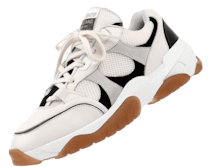
8 fitness ecommerce website examples 

1. Altitude Sports: ecommerce search with a visual twist  

Altitude Sports began as a small store in Montreal in the 1980s and now stands as a multimillion-dollar online retail leader in sports and fitness brands. This transformation from a brick-and-mortar

How to Start a Business in 2024: A 10-Step Guide

Starting a business involves planning, doing market research, and acquiring knowledge of the legal aspects of opening a firm. You’ll answer questions like, “How do I find a product to sell?” “What’s the right business model?” “What are the best channels for marketing?”

Let’s go over the key steps on how to start a business, including creating a business plan, registering your company, promoting your offering, and more.

Start selling online now with Shopify

Start your free trial
1. Choose a business idea

It all begins with an idea. Many small business ideas are available for you to pursue, including ventures you can run from home. 

26 Best Small Business Ideas to Start This Year List of The Most Popular Online Business Ideas 17 Unique Business Ideas for First-Time Entrepreneurs 10 Profitable Home Business Ideas You Can Start Today

2. Research your product and audience

Upfront research is necessary to determine whether there’s an audience for your business or product idea.

How to Define Your Target Market and Target Audience The Marketing Research Process in 6 Steps How to Do a Competitive Analysis + Example Template How to Create a Product Validation Spreadsheet

3. Write a business plan

A business

Want to Elevate Your Customer Relationships? Then it’s Time to Go Deep.

I once received a phone call from an old friend who emphatically presented the merits of collaborating with him on a project his company was spearheading within our industry. For 20 minutes, he presented a binder full of reasons why it would (in his opinion) be good for me to invest my time, energy, and creativity in his initiative. 

After laying out the pitch I asked him a simple question: “Would you like to better understand my thoughts?” My old friend paused and replied, “Ummmm, sure, that would be a good idea Dan. Tell me what you are trying to accomplish these days?” We both started laughing and I proceeded to share how my coaching business had evolved since we last spoke.

 Most sales leaders do not invest enough time understanding the stated and unstated agenda of their customers, partners, and teammates. They rarely uncover hidden problems or stress points that need to be solved. My friend forgot the golden rule of sales: it’s not about you, it’s about us. A customer meeting emphasizes diagnosing the situation long before prescribing a solution.

The secret

Elevating a relationship isn’t something you do, it’s the result of everything you’ve done. Most people …

International SEO Strategy: How to Create Yours In 9 Steps (+ Expert Insight)

Ever wondered why Apple hosts multiple versions of its site for different countries? It’s because of international SEO. This approach is crucial for brands aiming to make an impact on a global scale.

Creating an international SEO strategy requires thoughtful planning and execution. You’ll need to account for local search engines, cultural and language differences, and the increased competition that comes with cross-border expansion.

Ready to do it all and take your business to new heights? Here’s everything you need to know to get started.

Start selling online now with Shopify

Start your free trial

What is international SEO?

International SEO is the practice of optimizing your website to make it more relevant and visible to audiences in different locations. You can use this strategy to achieve specific goals, such as: 

Expanding your market reach Building international brand awareness Increasing global sales

Implementing international SEO effectively bridges the gap between your business and potential customers across borders. It’s particularly useful for companies looking to attract customers from specific regions or linguistic groups.

How does international SEO work?

Google and other search engines tailor search results to match a user’s location and language. International SEO steps in here. It tells these