From Farmers Markets to 4,000+ Doors: 7 Lessons from Nat’s Nuts on Scaling Your CPG Brand Organically

When I met Nat Harrington, Founder of RangeMe Starter Subscriber Nat’s Nuts, he was at ECRM’s Convenience Session taking meetings with buyers from the largest convenience store chains in the country, including 7-Eleven, bp and Casey’s. He was ready to take the leap to large accounts, as his products are already on the shelves at more than 4,000 independent retailers nationwide.

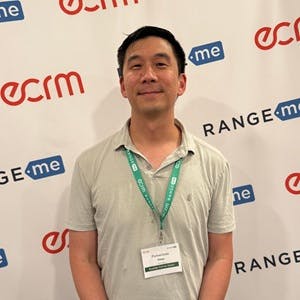
His brand’s gourmet roasted nuts span a variety of flavors, including Maple Bourbon Almonds, Cinnamon Whiskey Pecans, Vanilla Chai Cashews, Toasted Coconut Cashews and Salted Caramel Cashews, to name a few. I LOVED the Cinnamon Whiskey Pecans, by the way, which I devoured after taking the photo of Nat after the interview!

As with many entrepreneurial successes, however, when you peel back the curtain you learn what went on behind-the-scenes to get them to where they are now.  In Harrington’s case, it was 10 years of grinding, hustling organic growth, starting with farmers markets, then festivals, to local retail stores, slowly but steadily tweaking his products and growing his capabilities as he expanded regionally and then nationwide. 

What started with a handheld roaster is now a brand that now boasts an 8-million-unit annual production capacity and distribution in all …

Emerging Brands Can Win Shelf Space Without Sacrificing Margins – Here’s How

For many small manufacturers, shelf space is treated as the ultimate objective. Placement becomes the milestone. Distribution becomes an achievement. Yet too often, the cost of that placement is not fully understood until long after the contracts are signed and the invoices begin to arrive. Winning shelf space should never mean surrendering sustainability.

National retail systems are structured to extract value before they create it. Slotting programs, marketing assessments, forced promotions, freight penalties, compliance fees, and chargebacks convert what appears to be growth into a margin erosion exercise. The manufacturer gains doors. The retailer gains protection. Over time, the brand gains volume but loses leverage.

The Path of Independent Retail

Independent retail offers a fundamentally different path. Shelf space in independent stores is not purchased. It is earned. Buyers evaluate products based on merit, fit, and confidence. They look for differentiation. They look for reliability. They look for brands that support their store identity rather than dilute it. This creates an environment where margins can remain intact.

Independent retailers understand that strong brands require healthy manufacturers. They are less inclined to force promotional cycles that undermine perceived value. They are more open to fair wholesale structures. They appreciate consistency over …

Getting a product onto retail shelves is rarely a sprint; it is a marathon that takes place behind the scenes long after the initial pitch at the buyer’s office or at an ECRM Session. Emails. Sending Samples. Jumping on zoom calls with various departments. Back and forth, back and forth. And often in the mix – long periods of waiting. 

Chithra Kannan is the Founder of skin care and baby care brand Skin Centrick. She is a RangeMe Pro subscriber and has participated in several ECRM Sessions, and has landed about 10 deals from connections that were made at each.

I caught up with Kannan at ECRM’s Beauty Session in Dallas to pick her brain for some insights on what it was about her follow-up practices that helped her ink all of these deals. Here are the key takeaways from our conversation (you can watch our full interview on video below). .

1. Embrace the Long Journey

One of the most common misconceptions for new entrepreneurs is that a successful meeting leads to an immediate purchase order. Kannan emphasizes that the process is often measured in years, not weeks.

“You have to learn to be patient,” says Kannan. “You don’t …

From Pitch to Purchase Order: How to Ace Your Next Retail Buyer Meeting

When it comes to getting your products on the shelf, securing a meeting with a buyer is only half the battle. The real challenge lies in what happens during your time together – whether at the buyer’s office, at an ECRM Session, or in a virtual meeting. To help brands navigate this journey, I sat down with Tia Ellis, founder of Wildflower Insight, during ECRM’s recent General Merchandise Sessions, which covered the categories of Impulse, Front-End & Checklane, Hardware & Automotive and Lawn & Garden.

Ellis is a veteran broker who has helped founders sell over $ 200 million worth of products across all 50 states. From health and wellness to food and beverage, Ellis has seen what works and what falls flat when it comes to buyer pitches. Her mission now is to empower founders to handle these meetings themselves. 

“I’ve found that a lot of the time founders don’t need somebody to pitch in the buyer meeting for them,” Ellis says. “They just need to understand the retail landscape, what buyers look for, what they expect, what they want to see, and what they don’t want to see.”

During the Sessions, she presented to an audience of inventors …

Why Local Retailers Outperform Algorithms When It Comes to Knowing Their Customers’ Needs

Digital platforms promise precision. They track clicks, monitor behavior, and categorize preferences. Algorithms now shape much of modern commerce, directing what consumers see, what products surface, and what brands rise. Yet despite this technological dominance, product discovery remains fundamentally human.

Local retailers continue to outperform algorithms because they understand context. Independent store owners and staff interact with customers daily. They hear questions. They observe hesitation. They recognize patterns. They understand lifestyle nuances. This proximity allows them to recommend products not based on probability models, but based on lived insight.

Algorithms interpret data. Local retailers interpret people.

Product discovery in independent retail occurs through conversation. A customer explains a need. A staff member suggests a solution. They demonstrate. They compare. They explain differences. This dialogue introduces products with relevance. It answers objections. It establishes trust. Algorithms cannot replicate this interaction.

Intentional curation

Independent retailers also curate with intention. Their assortments reflect community identity. Regional tastes, climate conditions, cultural preferences, and demographic composition shape buying decisions. This curation naturally elevates products that serve specific needs rather than generic demand.

Digital marketplaces often flatten discovery. Products appear interchangeable. Pricing becomes the primary differentiator. Visibility is purchased. Context is removed. Local retail restores meaning.…

4 Critical Mistakes Emerging CPG Brands Must Avoid When Pitching a Retail Buyer

For emerging CPG brands, the journey from a home kitchen or a small-batch facility to the shelves of a national retailer is fraught with challenges. While many founders focus entirely on the quality of their product, the reality of the retail industry is that a great product is only half the battle. Success depends on your ability to navigate the complex relationship between the distributor, retailer and shoppers.

In my recent interview at ECRM’s Center Store Grocery Sessions, Shannon Peffley, founder of CPG Xperience, shared some advice for new CPG founders based on his more than 20 years of experience spanning distribution, brand ownership, and consulting. 

To ensure your brand is built for longevity, here is a deep dive into the four mistakes Shannon Peffley warns every CPG founder to avoid during the buyer pitch process. You can watch our full interview in the video below!

Executive Summary: Key Pitching Mistakes for CPG Brands

Lack of Retailer Research: Failing to visit stores and understand the specific demographic of a retailer. No Velocity Plan: Focusing only on getting on the shelf rather than how to get the product off the shelf. Pricing Errors: Engaging in a “race to the bottom” and…